Historic parquet floors in French homes behave very differently from modern timber flooring. After years restoring château floors and heritage properties across France, I’ve learned that understanding the building itself is often more important than the sanding process.
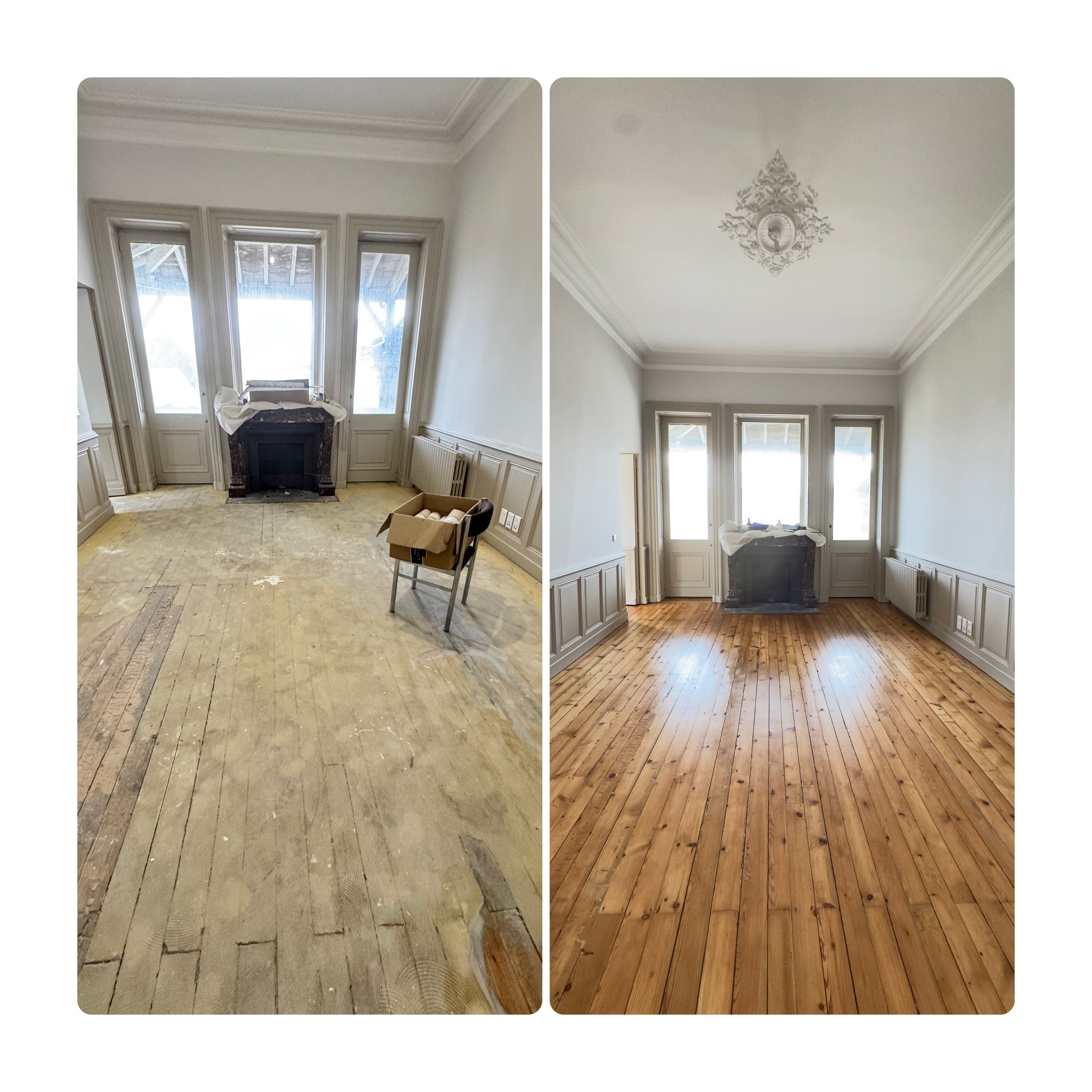
Cognac Meukow Oval Room restoration showing a very technical restoration process.
One thing I’ve learned is that people purchase a French home with completely different expectations depending on where they come from.
That’s understandable.
People moving to France from America may be used to timber floors and modern construction with plywood subfooring.
Somebody from England may understand older buildings but still not realise how differently French homes behave.
Somebody from Australia may already understand movement in timber because of climate and seasonal expansion.
One thing I’ve noticed over the years is that many overseas buyers initially see movement, unevenness or wear as signs something is wrong, when often these are simply characteristics of buildings that have been standing for well over a century.
Before even discussing restoration, I usually spend a lot of time simply asking questions.
What does the homeowner believe is damage?
What do they think is normal?
What are they expecting the finished floor to look like?
What type of homes have they lived in before?
Those conversations matter because many old French homes were never designed to behave like modern buildings.
They move.
They breathe.
They settle over time.
The Structure Beneath the Floor Matters
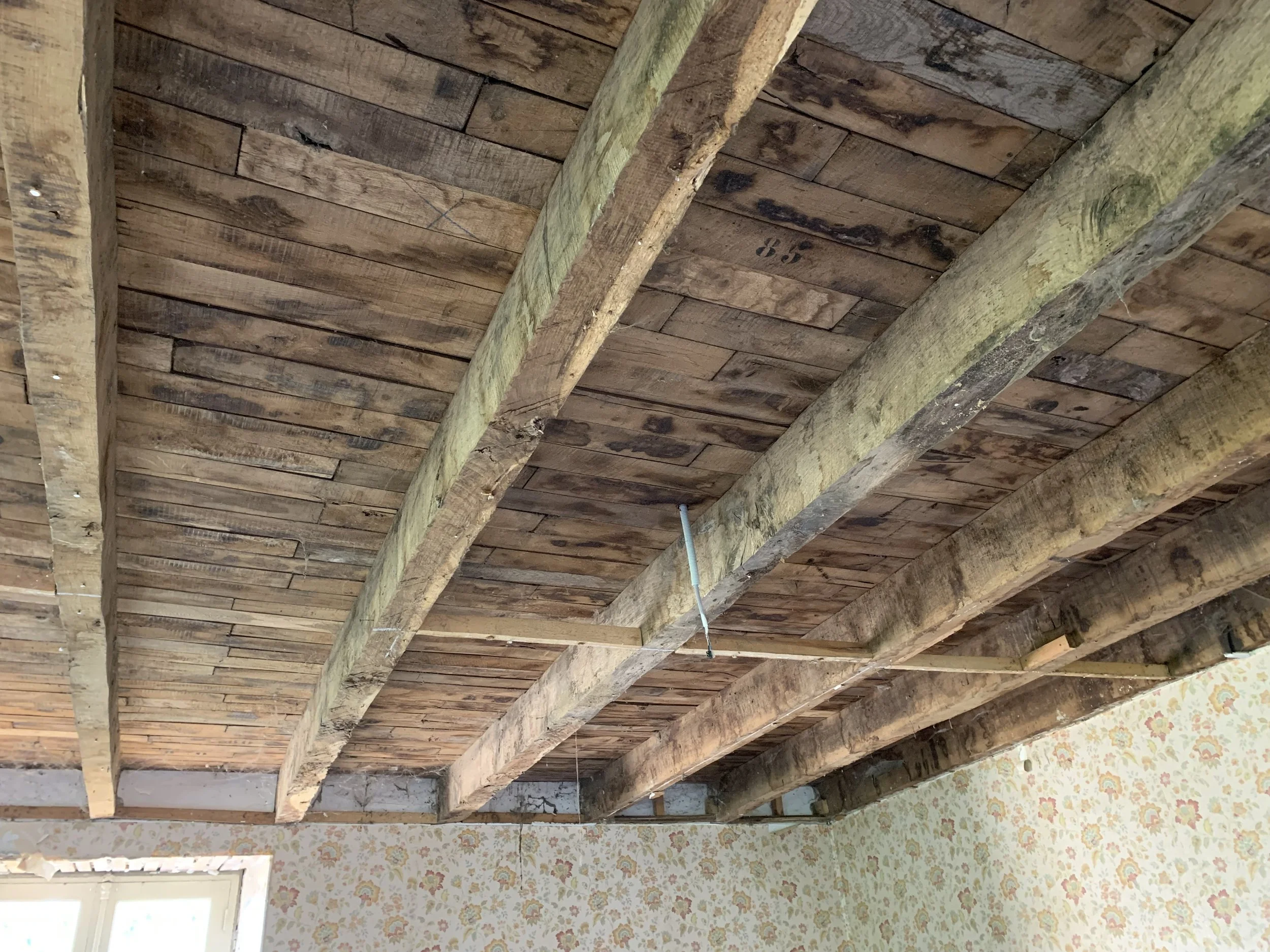
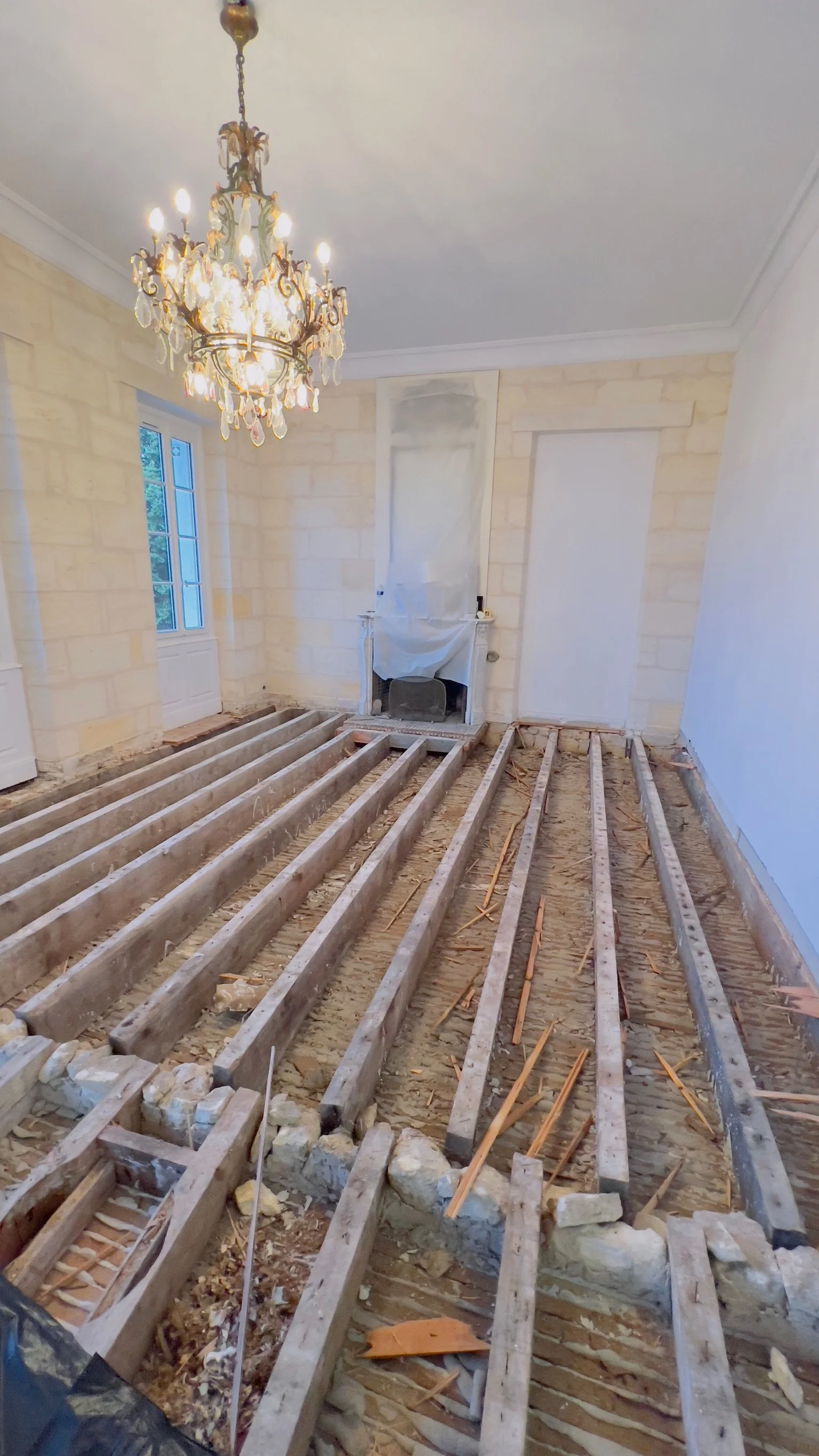
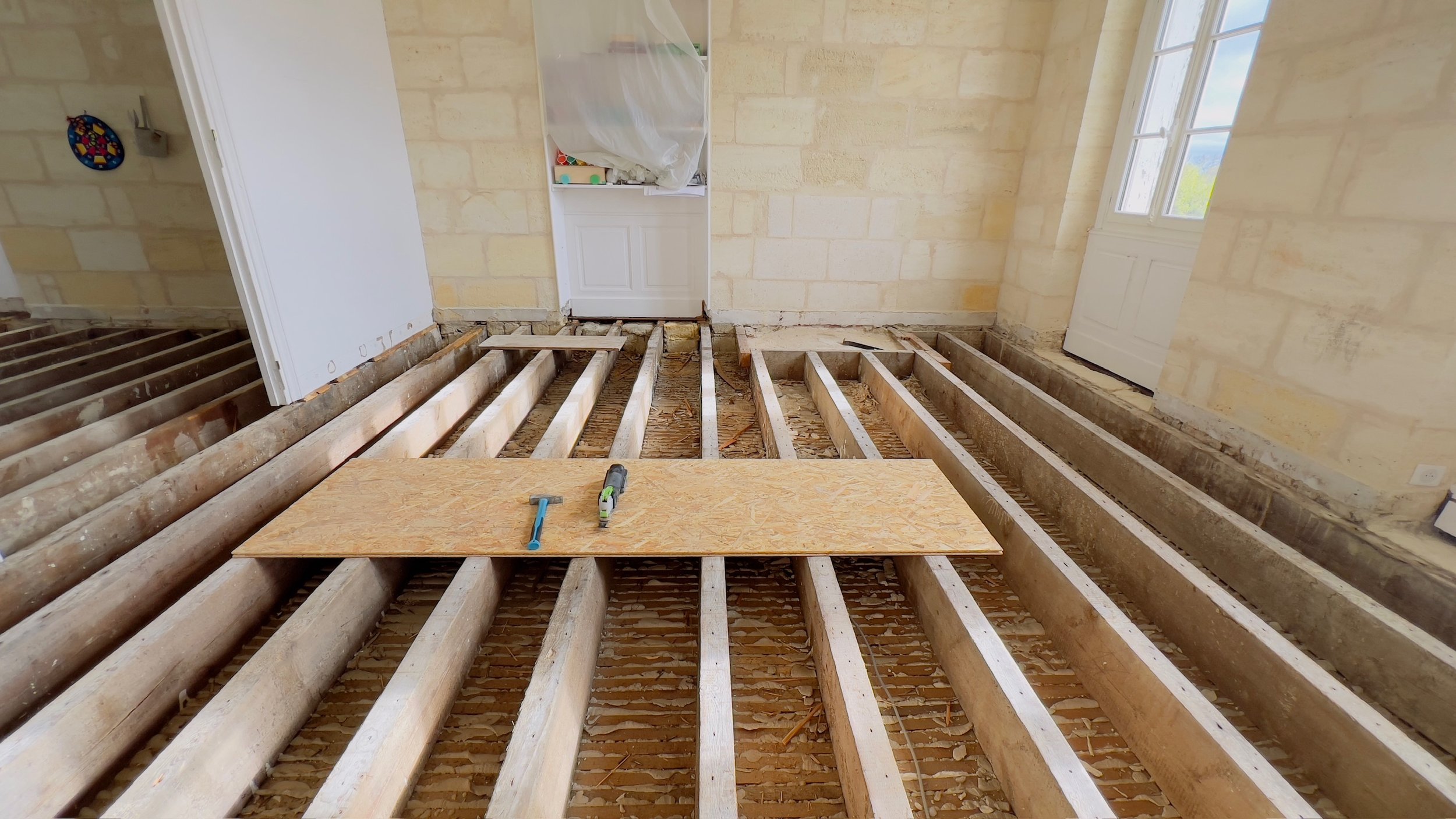
This image shows how French flooring (Parquet is nailed directly to the beams in historic houses. The span between beams can vary from 35cm to 70cm depending on many variables.
Floors were often laid onto timber joists above ventilated voids, caves or uneven stone structures. Humidity moves through walls and subfloors. Timber expands and contracts through the seasons. Slight movement in parquet is often completely normal.
Sometimes what appears to be a flooring problem has very little to do with the parquet itself.
Over the years I’ve found myself spending as much time looking underneath floors as on top of them.
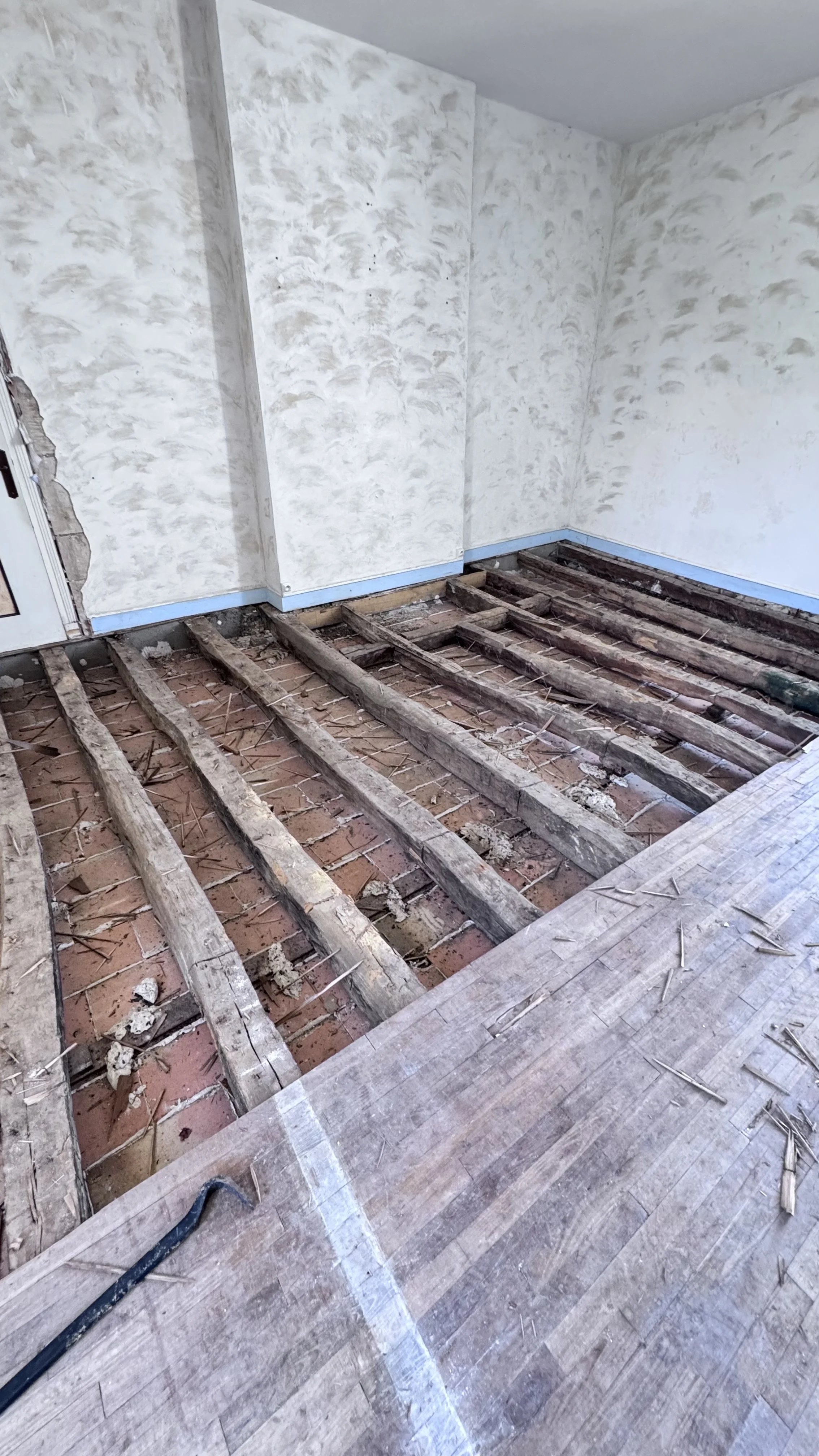
Walnut Parquet beam replacement
The beams & parquet needed to be replaced to due to strutural issues with beams and flooring.
Checking beam ends.
Looking into crawlspaces.
Studying old repairs.
Looking for moisture issues or old water ingress.
Trying to understand how the building itself functions before deciding how much intervention is actually needed.
Quite often the sanding itself is one of the smallest parts of the job.
One thing I’ve become increasingly careful about is over restoration.
A lot of old parquet floors have already survived generations of alterations, heavy sanding, staining and modern products. Underneath many of those finishes are beautiful natural woods with colour variation and wear that took decades to develop.
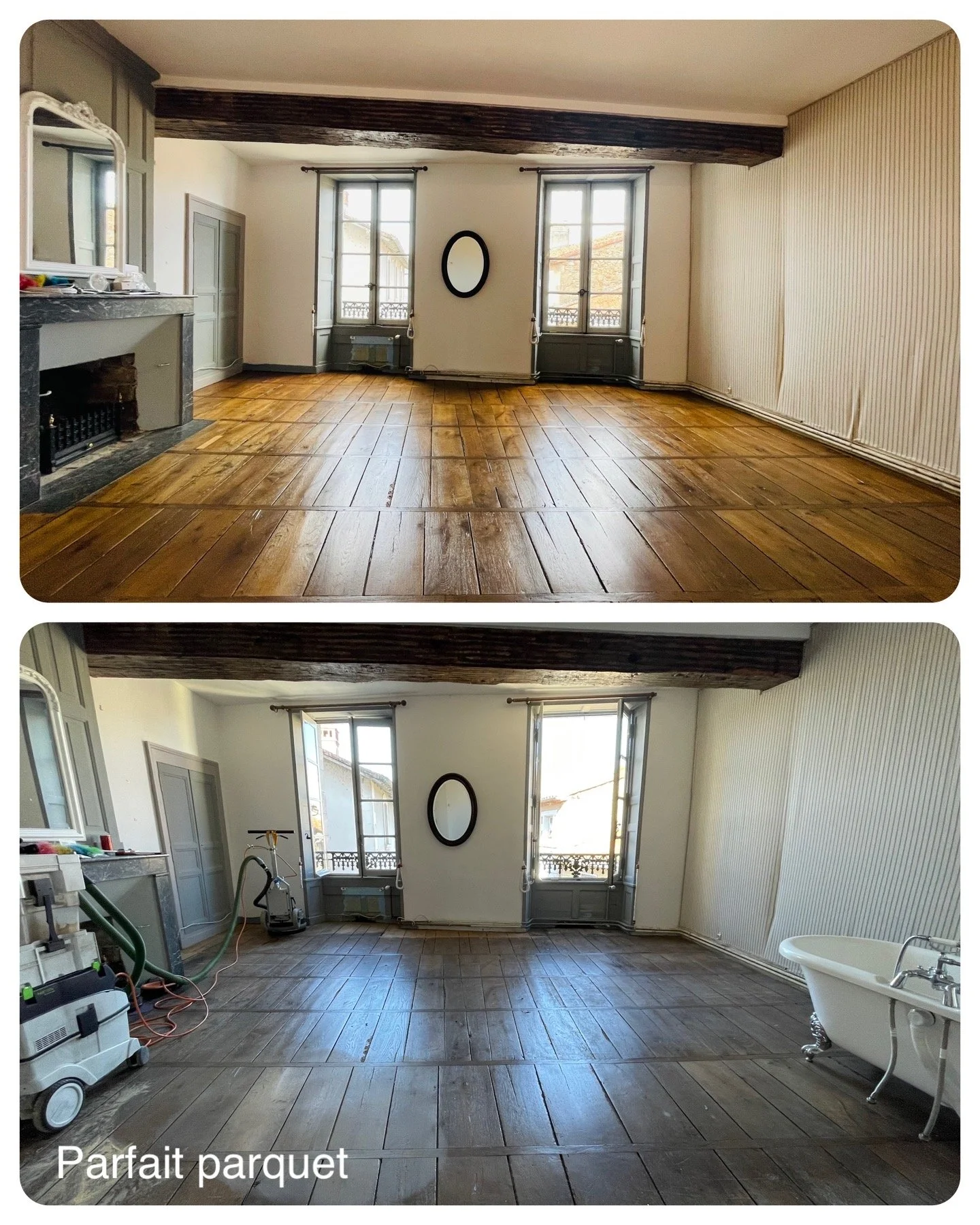
Historical restoration of Oak Echelle parquet, requiring repairs and brush finishing with our Pallmann Spider sander.
Historically many of these floors would have had softer finishes such as waxes or oils rather than thick modern coatings. They were not always perfectly flat or perfectly uniform in colour and personally I think part of their beauty comes from that.
I understand why people want to modernise old floors, but I also think there is value in restraint.
Not every old mark needs removing.
Not every historic repair should disappear.
Not every floor benefits from heavy intervention.
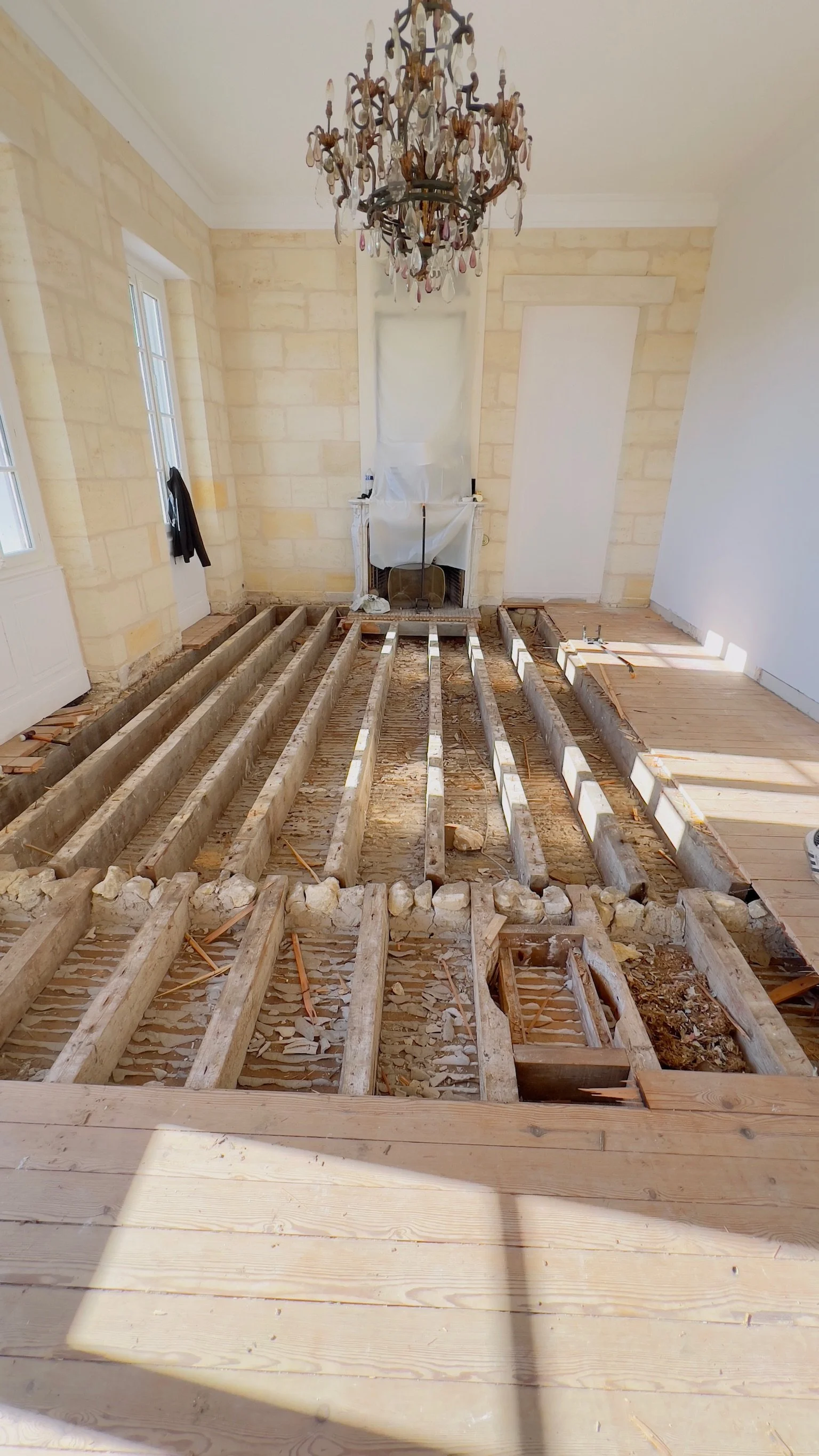
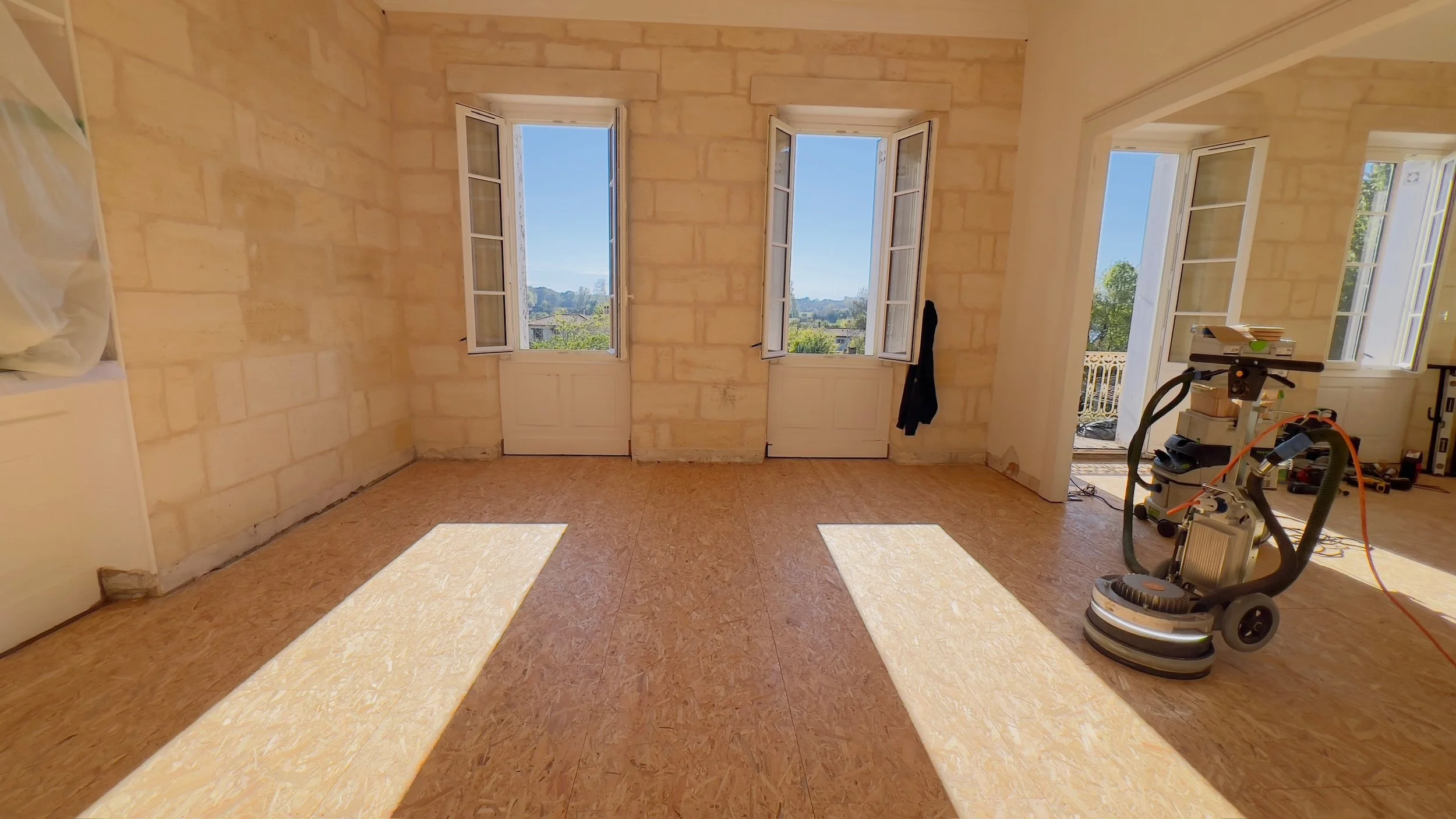
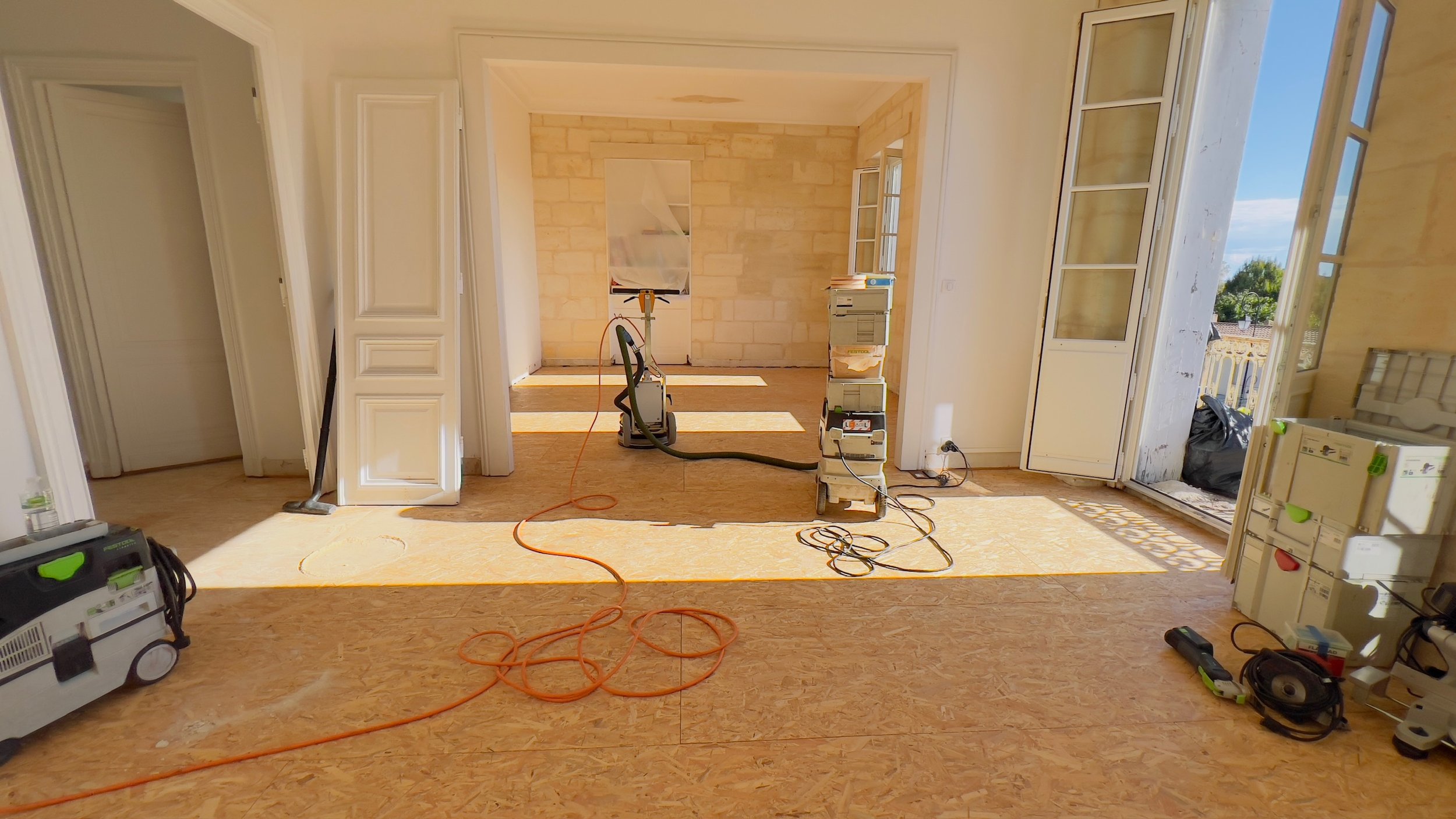
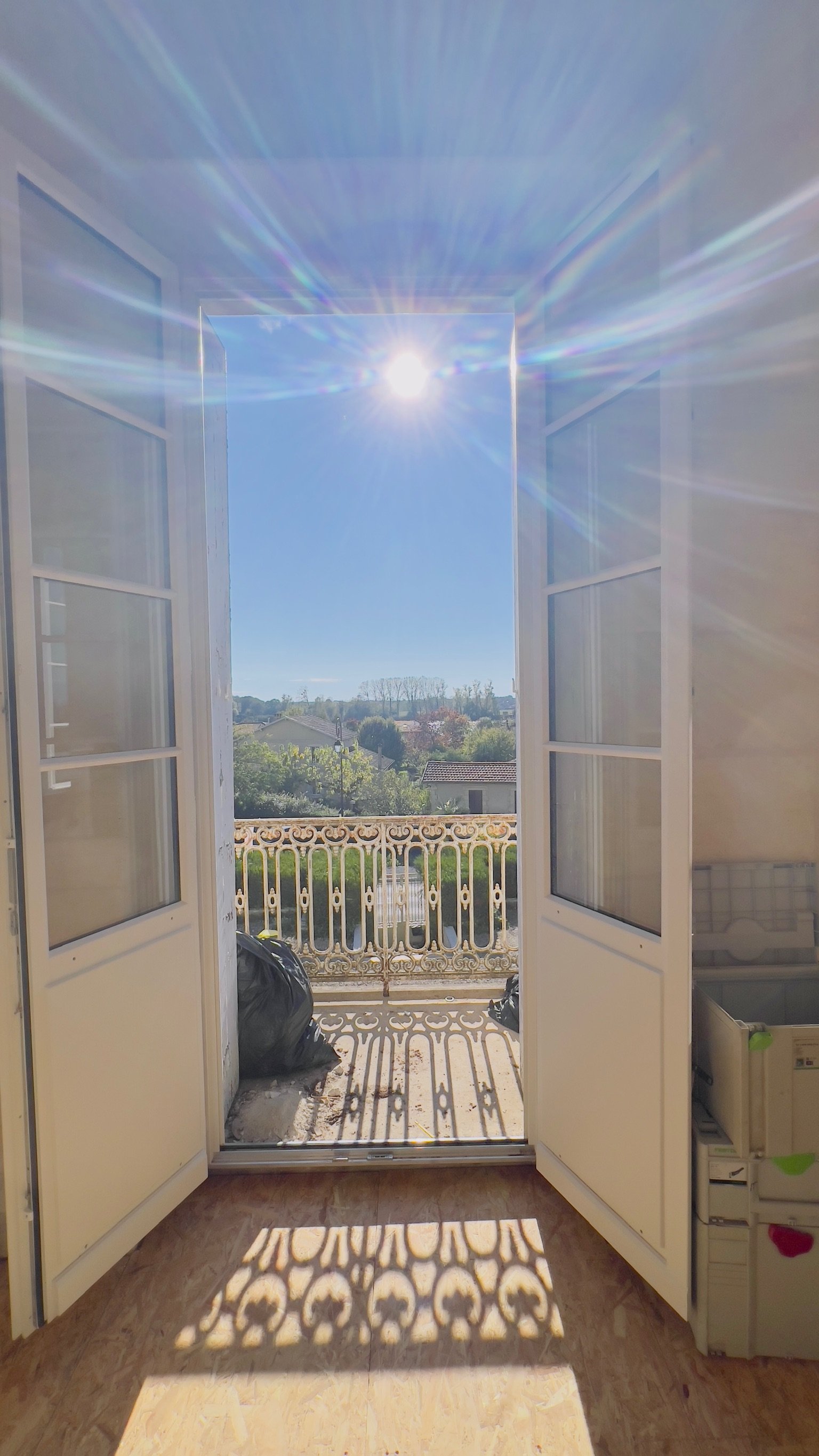
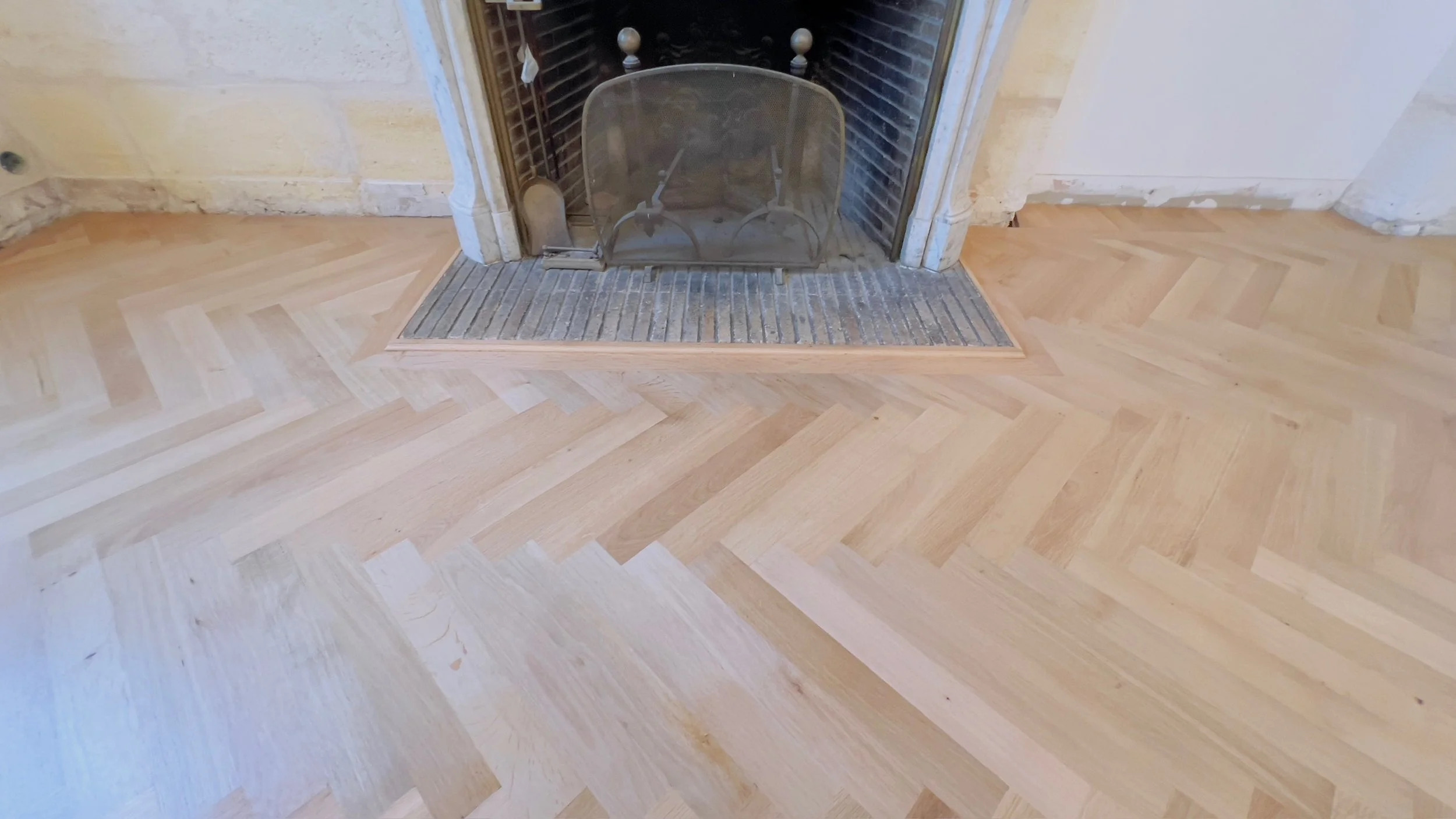
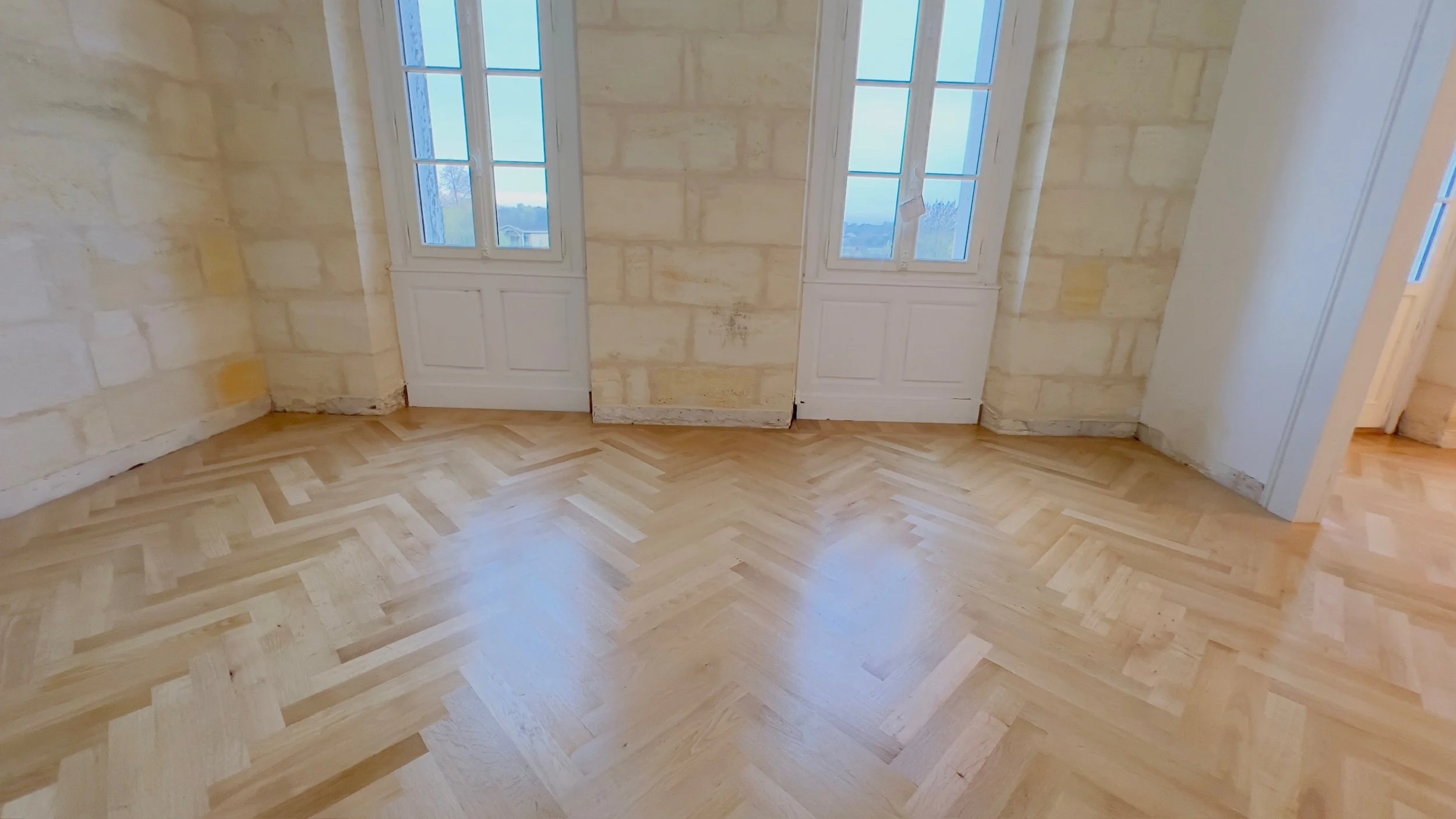
A Chateau referral in Bordeaux where the old pine flooring was not suitable for restoration. So it was removed and a new Oak Herringbone parquet installed at the clients request a total project size of 120m2 across three room.
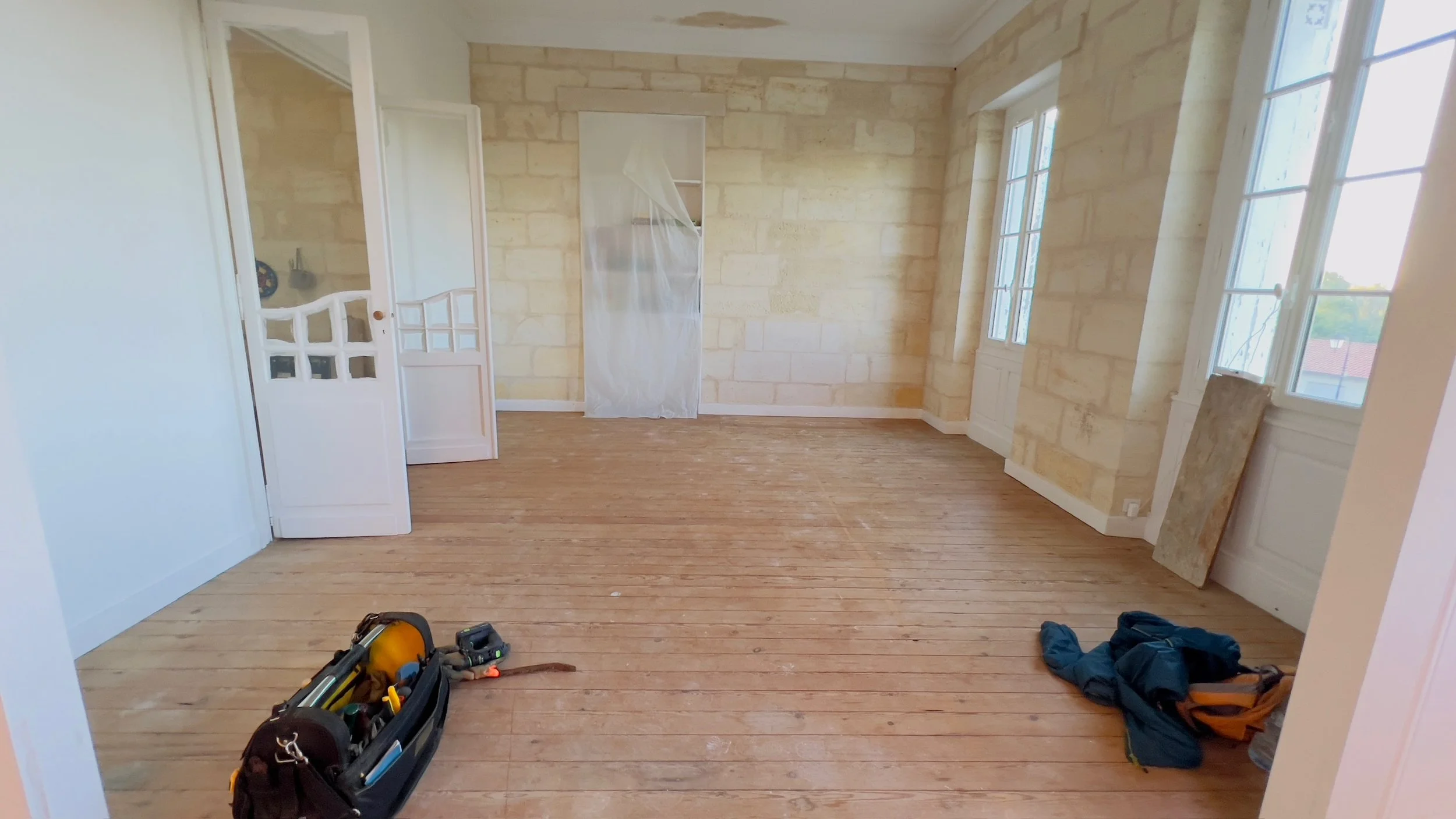
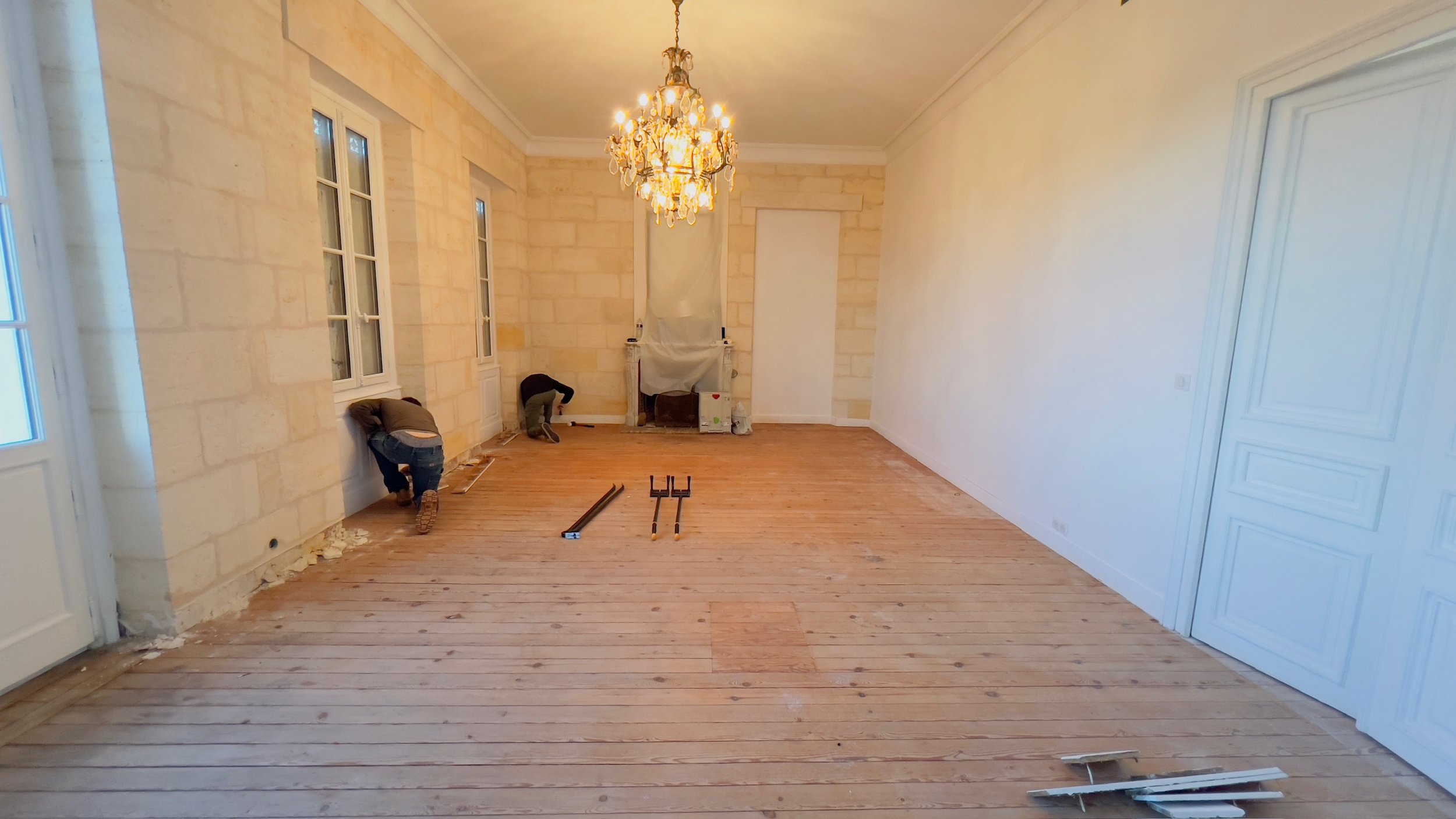
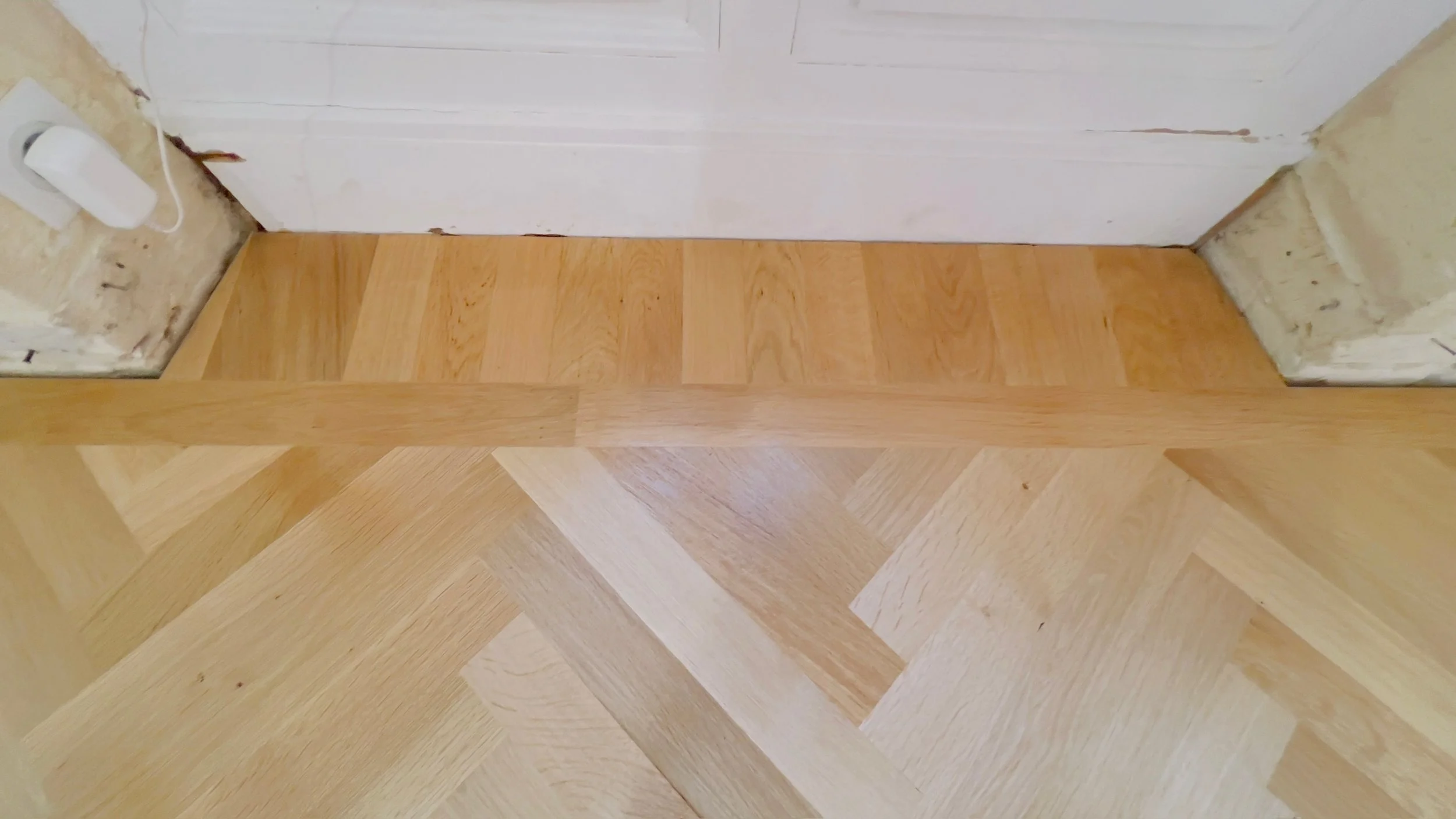
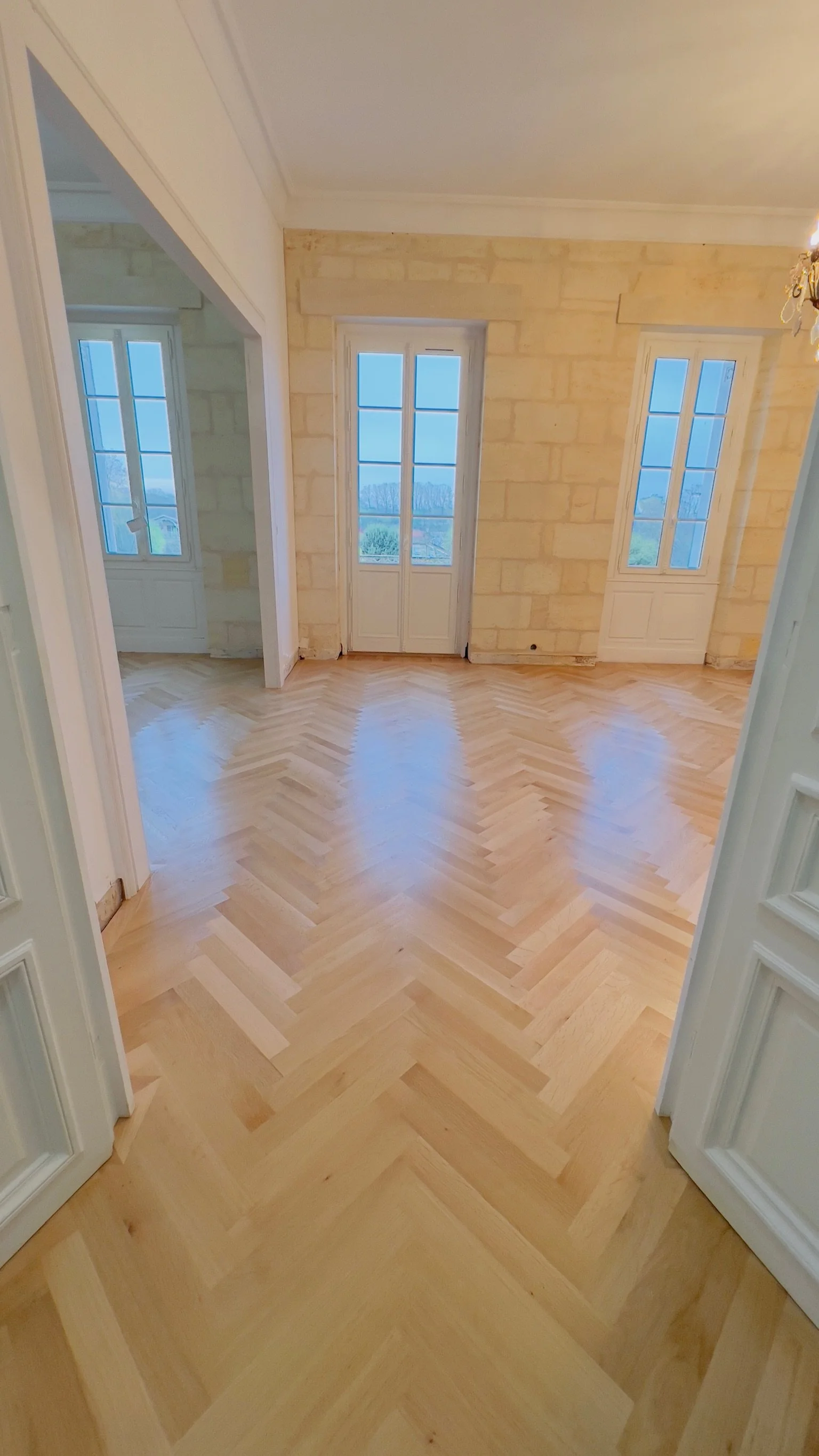
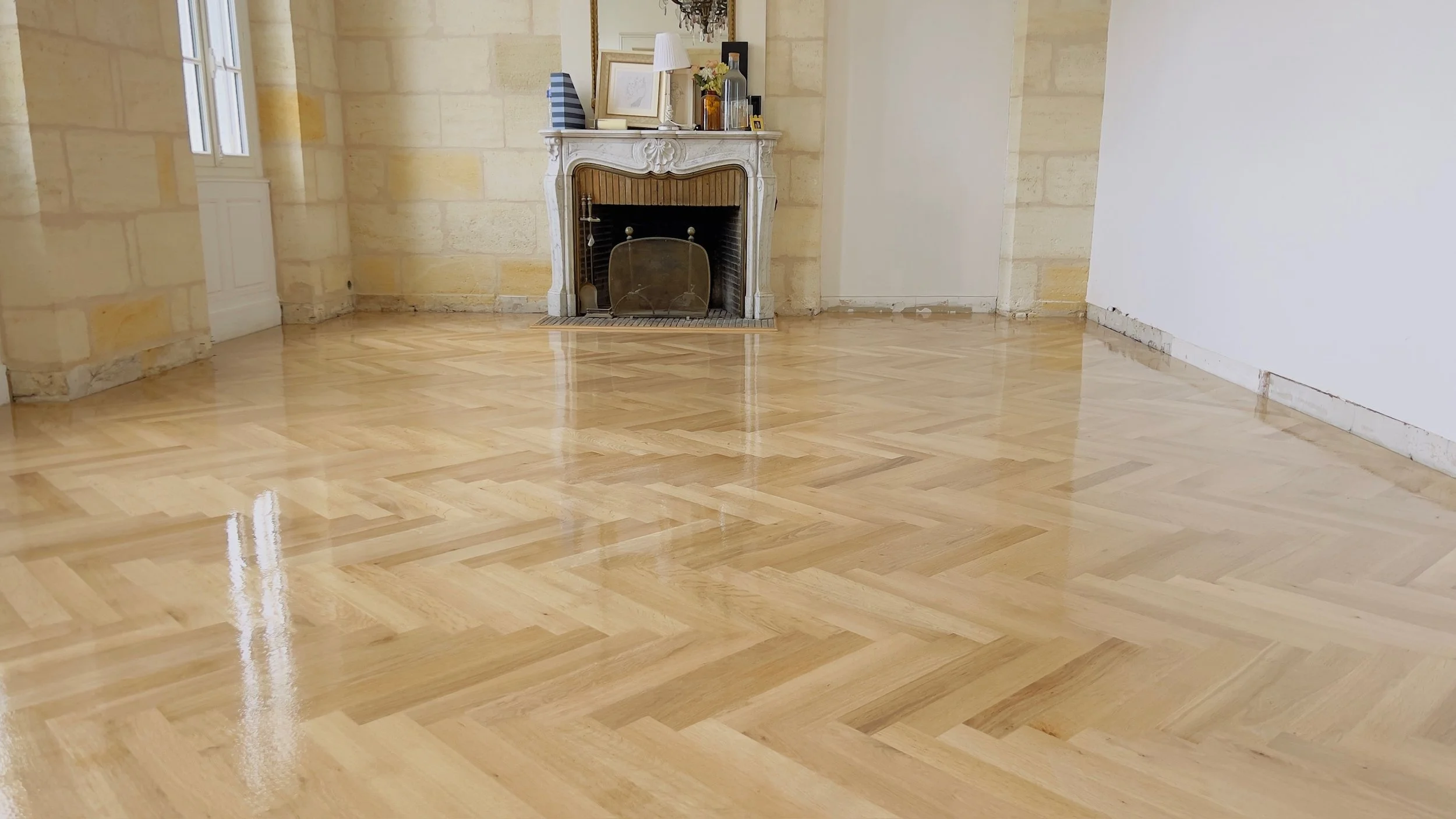
Gap filling is also something we evaluate room by room on historic floors. Traditional French parquet floors were often designed to move seasonally and many historical layouts were never intended to be completely sealed. Where clients ask about filling, we explain the advantages, the limitations and why in many older suspended floors movement can cause modern fillers to fail over time.
Some of the most impressive restorations I’ve seen are the ones where the history of the building still remains visible afterwards.
The older I get, the more I realise restoration is often less about changing a building and more about understanding it properly before deciding what should and should not be altered.
Old French homes were never perfect.
That imperfection is often exactly what gives them character in the first place.
Brad Quarless
If you like to discuss a project you can call via whatapp or call direct on my French mobile 07 86 72 08 91